The kitchen, once the heart of the home where your mother prepared thousands of meals, has become a source of anxiety. Pots left on the stove. Burns from hot surfaces. Confusion about whether food is cooked or still raw. Forgetting whether meals have been eaten. The place that represented nurturing and capability now poses safety risks.
Yet eating well matters enormously for senior health. Malnutrition accelerates decline, weakens immune systems, and reduces quality of life. Supporting safe meal preparation while preserving as much independence as possible requires understanding both risks and solutions.
Kitchen Hazards for Seniors
Understanding specific risks helps address them systematically.
Stove fires rank among the most dangerous risks. Forgetting a pot on the stove, misunderstanding controls, or placing flammable items near burners all cause fires. For seniors with cognitive decline, stove use becomes particularly hazardous.
Burns happen frequently. Hot surfaces, boiling water, steam, hot oil all can cause serious burns. Diminished sensation means some seniors do not realize they have touched something dangerously hot until injury occurs. Slower reflexes mean burns happen before pulling away.
Cuts from knives increase as vision worsens and hand control declines. What once was routine cutting becomes dangerous.
Falls in the kitchen result from reaching for high cabinets, bending for low ones, spills on floors, or tripping over open drawers and cabinet doors. The kitchen often has hard surfaces making falls particularly injurious.
Food safety problems occur when cognitive decline affects judgment about food freshness, proper cooking temperatures, or safe storage. Eating spoiled food causes serious illness.
Medication confusion sometimes happens in kitchens where medications are stored near food or supplements. Taking wrong pills or wrong doses creates emergencies.
Gas leaks from stoves with pilot lights that blow out or knobs turned on without being lit pose carbon monoxide and explosion risks.
Making Kitchens Safer
Environmental modifications reduce many kitchen hazards.
Stove safety devices exist that automatically shut off burners after periods without activity. These devices prevent fires from forgotten pots. Some work with existing stoves; others replace burners entirely. For seniors with cognitive decline who still want to cook, these devices provide critical safety.
Microwave cooking is safer than stove cooking. Microwaves do not have open flames or extremely hot surfaces. Many foods can be prepared safely in microwaves. Encouraging microwave use over stove use reduces risk.
Induction cooktops are safer than gas or traditional electric. The surface itself does not get extremely hot. Only the pot heats. If someone touches the cooktop, risk of serious burn is much lower. These are expensive but worth considering for kitchens being renovated.
Remove knobs from stoves if the senior should not be cooking independently. Stove becomes non-functional without knobs but is still there. For homes where caregivers cook but the senior should not, this simple modification prevents dangerous attempts.
Clear clutter from counters. Items left near the stove can catch fire. Full counters make work surfaces cramped and spills more likely.
Improve lighting. Good task lighting for work areas prevents mistakes. Bright, even lighting throughout reduces fall risk.
Non-slip mats in front of sink and stove prevent falls from spills or splashes.
Store heavy items at waist level. No reaching up for heavy pots that might fall. No bending to low cabinets with heavy items that are difficult to lift.
Label cabinets and drawers clearly if memory problems exist. Pictures or words help people find items independently.
Keep fire extinguisher accessible. Everyone should know where it is and how to use it. Check it regularly to ensure it is functional.
Install smoke detectors and test them monthly. These provide early warning of fires.
Consider automatic stove shutoff systems that detect smoke and turn off stove before fire spreads.
Addressing Cognitive Decline and Cooking
When cognitive abilities decline, cooking becomes dangerous even in safe kitchens. Addressing this requires balancing safety with dignity.
For early cognitive decline, some cooking remains possible with supervision and support. A caregiver present during cooking catches mistakes before they become dangerous. Simplifying recipes and routines helps.
As decline progresses, shifting from cooking to reheating works well. Caregivers prepare meals, store them in portions, and the senior reheats them. This preserves involvement without full cooking responsibilities.
Cold meals eliminate cooking risks entirely. Sandwiches, salads, cheese and crackers all provide nutrition without any heating.
Eventually, full meal preparation by caregivers becomes necessary. This is hard to accept for people whose identity involved cooking, but safety must take priority.
Involve your loved one in what they still can do. Maybe they cannot cook a full meal but can tear lettuce, set the table, or wash vegetables. Preserving participation maintains dignity even when they cannot do complete tasks.
Meal Preparation Support
For seniors who need help with meals, several approaches work depending on abilities and circumstances.
Family members cooking and delivering meals helps many families. Adult children prepare extra portions of family meals and bring them several times weekly. This provides good food and family connection.
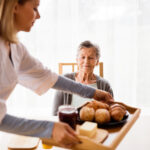
Professional caregivers who cook as part of their services handle meal preparation while providing other care. This works well because meals happen as part of broader support.
Meal delivery services range from simple frozen meal delivery to services that deliver fresh, prepared meals daily. Costs and quality vary. Some are quite good; others are institutional and unappetizing. Many offer specialized diets for health conditions.
Community meal programs through senior centers or churches provide both nutrition and socialization. Transportation is often available. These meals typically happen midday.
Frozen meals from grocery stores work for some people. Quality varies dramatically. Read labels for nutrition information. Many are high in sodium and low in vegetables.
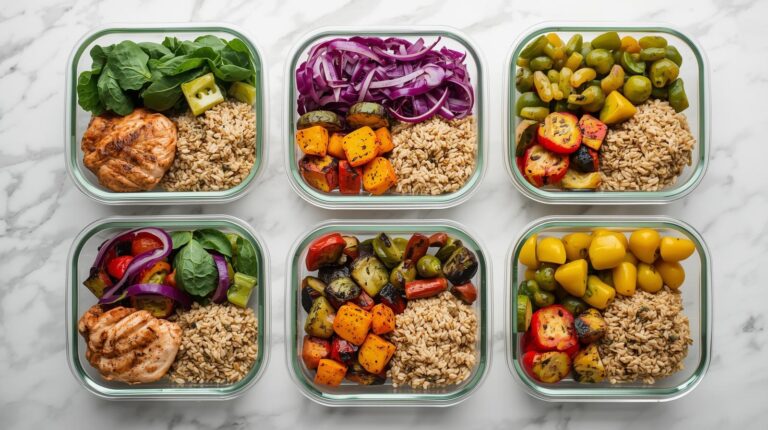
Meal preparation services prepare large quantities of food in one session, creating multiple ready-to-reheat meals. A professional comes to the home, cooks numerous meals, stores them in containers, and leaves the kitchen cleaned. This provides good food for several days or weeks.
Nutritional Needs of Seniors
Good meal support requires understanding what seniors need nutritionally.
Protein needs remain high. Seniors need adequate protein to maintain muscle mass. Every meal should include good protein sources: meat, fish, eggs, dairy, beans, or nuts.
Calcium and vitamin D support bone health. Dairy products, fortified foods, or supplements help meet needs.
Fiber prevents constipation, a common senior problem. Fruits, vegetables, and whole grains provide fiber.
Hydration matters enormously. Seniors often do not feel thirsty even when dehydrated. Encouraging regular fluid intake throughout the day prevents serious problems.
Sodium should be limited for most seniors, especially those with high blood pressure or heart conditions. Restaurant meals and prepared foods often contain excessive sodium.
Varied diet ensures adequate vitamins and minerals. Colorful vegetables and fruits provide necessary nutrients.
Adequate calories matter. Many seniors eat too little, leading to unintentional weight loss. Small, frequent meals sometimes work better than three large ones.
Adaptive Equipment
Various tools make cooking safer and easier for seniors with physical limitations.
Reachers grab items from high shelves without dangerous climbing or stretching.
Jar openers help arthritic hands open stubborn lids.
Lightweight pots and pans reduce strain. Heavy cast iron becomes too difficult. Aluminum or modern lightweight materials work better.
Electric can openers are easier than manual ones for weak or arthritic hands.
Rocker knives allow cutting with rocking motion rather than sawing, requiring less strength and coordination.
Cutting boards with suction feet or non-slip bottoms stay stable during use.
Automatic stirrers keep food moving without standing and stirring.
Timer with loud alarm reminds when food is done. Visual timers show time remaining at a glance.
Large-print measuring cups and spoons help with vision problems.
One-handed tools help people who have had strokes or have limited use of one hand.
Food Safety Concerns
When cognitive abilities decline, food safety becomes serious concern.
Check refrigerator regularly. Remove expired food. If your loved one cannot remember what is fresh, they might eat spoiled food and become ill.
Label foods with dates. “Made on” or “use by” dates help everyone know what is still good.
Set refrigerator to proper temperature. Too warm allows bacterial growth. A thermometer in the refrigerator ensures proper temperature.
Watch for food hoarding. Some seniors, especially those who lived through depression or poverty, hide or hoard food. Check cabinets, closets, and under beds for hidden food that has spoiled.
Prepared meals from caregivers should be dated and instructions for reheating clearly marked.
Look for signs of inadequate eating. Weight loss, weakness, or wrappers suggesting your loved one is living on cookies indicate inadequate nutrition.
Maintaining Mealtime Rituals
Food is about more than nutrition. Meals are social, cultural, and emotional events. Preserving meaningful aspects of mealtimes matters.
Eating at the table rather than in front of television makes meals more meaningful. Set the table properly. Use real plates and utensils, not paper and plastic unless necessary.
Familiar foods comfort. Your loved one’s favorite dishes and familiar flavors matter more than trendy nutrition ideas. If they have eaten certain foods all their life, those foods comfort even if not perfectly balanced nutritionally.
Company makes meals better. Eating alone is depressing. When possible, share meals. Caregivers eating with clients rather than just preparing food and leaving enhances both nutrition and mood.
Respect cultural and religious food traditions. These remain important throughout life.
Allow time for meals. Rushing creates stress and can cause choking. Unhurried meals are more pleasant and safer.
When Eating Becomes Difficult
Physical challenges sometimes make eating itself difficult beyond just meal preparation.
Swallowing problems, called dysphagia, require medical evaluation. Speech therapists often treat swallowing problems. Modified textures, thickened liquids, and careful positioning all help. Ignoring swallowing problems risks aspiration pneumonia.
Dental problems prevent eating many foods. Regular dental care, properly fitting dentures, and foods appropriate to dental condition all matter.
Tremors or weak hands make utensils difficult. Adaptive utensils with large, weighted handles help. For some, finger foods work better than foods requiring utensils.
Vision problems make seeing food difficult. Contrast helps: dark food on light plates, or light food on dark plates. Good lighting at meals is essential.
Dementia can cause forgetting how to eat or use utensils. Breaking the process into small steps helps. Demonstrating, then having them mirror you, sometimes works. Eventually, hand feeding might be necessary.
Caregiver Meal Preparation
When caregivers handle meal preparation, several practices ensure good results.
Ask about preferences. What does your loved one like to eat? What do they dislike? Honoring preferences shows respect.
Prepare familiar foods. This is not the time for exotic experiments. Comfort foods that taste like home work best.
Keep it simple. Complicated recipes are unnecessary. Simple, wholesome food served attractively works well.
Make extra portions. Prepare larger quantities and freeze individual portions. This provides multiple meals from one cooking session.
Label everything clearly. Date made, contents, and reheating instructions all help.
Clean thoroughly. Leave the kitchen clean after preparing meals. This shows respect for the home.
Shop thoughtfully. Keep staples on hand. Check what is running low. Make sure variety exists in available foods.
The Emotional Aspects of Food
Food connects to identity, memory, and love. Understanding emotional aspects helps navigate changes.
Losing ability to cook represents loss of independence and identity. Someone who cooked for family for decades loses important role. This grief deserves acknowledgment.
Accepting help with meals feels like admitting decline. Many resist meal help longer than they resist other types of assistance. Patience and gradual transition work better than abrupt takeovers.
Favorite foods provide comfort. When everything else is changing and difficult, familiar tastes offer stability.
Meals are love language for many people. Cooking for others showed care. Receiving prepared meals might feel like receiving care in the same tradition.
Finding What Works for Your Family
No single approach works for everyone. What matters is finding solutions that provide good nutrition safely while respecting your loved one’s dignity and preferences.
Maybe your solution is family members cooking and delivering meals three times weekly combined with simple breakfasts your loved one manages independently. Maybe it is a caregiver who comes daily and cooks. Maybe it is meal delivery service with caregiver help reheating. Maybe it is community dining several times a week for social meals combined with simple foods at home.
Experiment. Ask what your loved one wants. Observe what works. Adjust as needed. The goal is sustainable system providing good nutrition safely and preserving quality of life as much as possible.
Kitchen safety and meal support rank among the most important aspects of aging successfully at home. Without good nutrition, everything else becomes harder. With proper support, your loved one can eat well, safely, and with dignity in their own home throughout their aging journey.