
Diabetes. Heart disease. Chronic obstructive pulmonary disease. Arthritis. Kidney disease. Many seniors live with multiple chronic conditions simultaneously, each requiring attention, medication, monitoring, and lifestyle management. The complexity overwhelms even organized, capable people. As abilities decline, keeping track of everything becomes nearly impossible alone.
Yet these conditions can be managed successfully at home with appropriate support. Daily monitoring, medication compliance, symptom awareness, and lifestyle management all work together to keep chronic conditions stable and prevent crises. Understanding what these conditions require and how to provide or arrange necessary support makes the difference between thriving at home and repeatedly ending up in the hospital.
The Medication Challenge
Most seniors with chronic conditions take multiple medications. Morning pills, evening pills, with food, without food, twice daily, once weekly. The regimen quickly becomes complicated.
Missing medications or taking them incorrectly has real consequences. Blood sugar spikes. Blood pressure rises. Pain flares. Conditions that were stable become unstable. Small problems become big ones.
Medication management requires organization. Pill organizers help some people. Others need medication lists posted in visible locations. Many benefit from someone checking in daily to ensure pills are taken correctly.
Professional caregivers trained in medication reminders provide this oversight. They do not administer medications in most situations, but they remind, observe, and document. This daily accountability catches problems immediately rather than after damage has occurred.
Tracking medications also means monitoring refills, coordinating with pharmacies, and ensuring prescriptions do not run out. When you are managing five or ten different medications, keeping track of refill schedules alone can be overwhelming.
Monitoring Vital Signs and Symptoms
Many chronic conditions require regular monitoring. Blood sugar testing for diabetes. Blood pressure checks for heart disease and hypertension. Weight monitoring for heart failure. Oxygen saturation for respiratory conditions.
These checks are not just busywork. They provide early warning when conditions are worsening. Catching changes early often allows for medication adjustments that prevent emergency room visits or hospitalizations.
Daily monitoring means someone needs to know what numbers are normal and what numbers indicate problems. A blood pressure of 180 over 100 is not just a number. It is an urgent concern. A blood sugar of 350 needs immediate attention.
Caregivers, whether family or professional, need training in what to watch for and what to report. Simply taking measurements does not help unless someone interprets them and responds appropriately.
Beyond numbers, symptom awareness matters. Is shortness of breath worse than usual? Is swelling increasing? Is pain becoming more frequent or severe? These subjective observations provide important information about disease progression.
Diet and Nutrition Management
Most chronic conditions involve dietary considerations. Diabetes requires carbohydrate management. Heart disease and kidney disease restrict sodium. Some conditions require protein adjustments or fluid restrictions.
Following these dietary guidelines while preparing appealing meals challenges many people. Foods that are allowed might not be foods someone enjoys. Restrictions can feel punishing rather than helpful.
Caregivers who understand dietary requirements and can prepare appropriate meals make these restrictions much more manageable. They can create variety within guidelines, prepare foods in ways that maximize flavor despite restrictions, and ensure nutrition needs are met.
Meal planning becomes more complex when managing multiple conditions simultaneously. Someone with both diabetes and heart disease needs to balance carbohydrate control with sodium restriction while ensuring adequate nutrition. This is not simple cooking. It requires knowledge and creativity.
Physical Activity and Exercise
Many chronic conditions improve with appropriate exercise. Movement helps control blood sugar, strengthens hearts, maintains mobility, and improves overall wellbeing. Yet exercise also requires caution when health is compromised.
Helping someone with chronic conditions stay safely active means understanding their limitations. What type of activity is appropriate? How much is too much? What symptoms during or after exercise indicate problems?
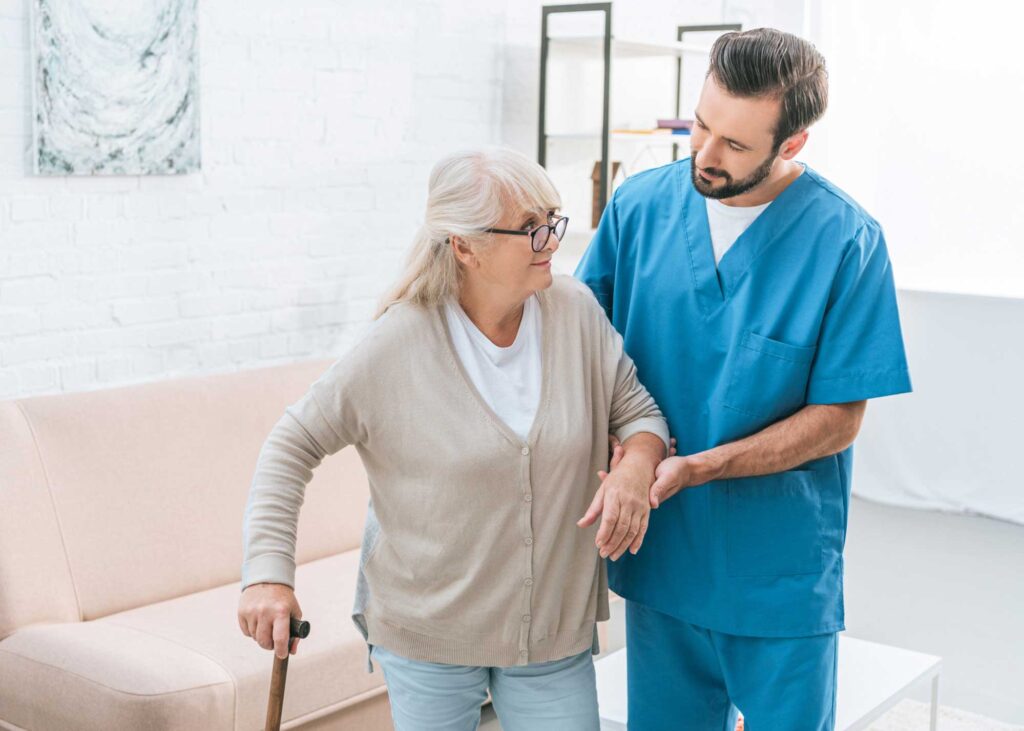
Caregivers can encourage and facilitate safe activity. They can walk with seniors, provide stability and confidence, and watch for warning signs. They can help with prescribed exercise programs from physical therapists.
Just as important, they can prevent unsafe activity. Someone with severe heart disease should not be attempting to move heavy furniture. Someone with advanced chronic obstructive pulmonary disease should not be climbing ladders. Having someone present who can redirect these impulses prevents dangerous situations.
Managing Appointments and Coordination
Multiple chronic conditions usually mean multiple doctors. Cardiologists, endocrinologists, pulmonologists, primary care physicians. Each appointment happens at different locations with different schedules. Each doctor prescribes different medications and requires different monitoring.
Coordinating all of this requires organizational skills that many seniors, especially those with cognitive decline, no longer possess. Appointments get missed. Information from one doctor does not reach another. Medication changes from a specialist do not get communicated to the primary care doctor.
Having someone help manage this coordination prevents dangerous gaps in care. They ensure all appointments are kept. They bring updated medication lists to each visit. They take notes about what each doctor says and make sure important information gets shared across providers.
Transportation to appointments matters too. Seniors who can no longer drive safely need reliable ways to get to medical visits. Missing appointments because of transportation problems means conditions go unmonitored and untreated.
Recognizing Emergency Situations
Family members and caregivers need to know when situations require immediate medical attention. Some symptoms absolutely demand emergency response. Chest pain. Sudden weakness on one side of the body. Severe difficulty breathing. Altered consciousness. Extreme blood sugar levels.
Other symptoms require prompt but not emergency attention. Slightly elevated blood pressure. Mild increase in shortness of breath. Small changes in typical patterns.
Training helps people distinguish between emergencies, urgent concerns that need same-day medical attention, and issues that can wait for a scheduled appointment. This knowledge prevents both under-response and over-response.
Having someone present who knows what to watch for and who is not afraid to call for help when needed provides enormous security. Many seniors hesitate to “bother” anyone or go to the hospital. A caregiver can recognize when their reluctance puts them at risk and take appropriate action.
Managing Pain
Chronic pain accompanies many long-term conditions. Arthritis pain. Nerve pain from diabetes. Back pain. Pain management becomes part of daily life.
Medication helps, but non-drug approaches matter too. Positioning, hot or cold packs, gentle movement, distraction through engaging activities all contribute to pain control.
Caregivers can help implement multi-faceted pain management strategies. They can assist with exercises prescribed by physical therapists. They can help someone change positions regularly to prevent stiffness. They can provide hot packs or cold compresses.
They can also monitor pain levels and patterns. Is pain worse at certain times? What helps? What does not? This information helps doctors adjust treatment plans.
Importantly, caregivers can distinguish between typical chronic pain and new, different pain that might indicate acute problems. Sudden severe pain, pain with characteristics that have changed, or pain that is not responding to usual management all need medical evaluation.
Preventing Complications
Many chronic conditions create risks for secondary problems. Diabetes increases infection risk and affects wound healing. Heart failure raises pneumonia risk. Kidney disease affects multiple body systems.
Daily monitoring and support help prevent these complications. Caregivers can watch for early signs of infection, ensure wound care happens properly, and maintain skin integrity. They can encourage fluid intake when needed and limit it when required. They can help with breathing treatments and oxygen use.
Prevention is always easier than treating complications after they develop. Consistent daily attention catches small problems before they become big ones.
Medication Side Effects and Interactions
The medications that control chronic conditions often cause side effects. Some make people dizzy. Others affect appetite, digestion, or sleep. New medications sometimes interact with existing ones, creating unexpected problems.
Having someone observe how your loved one is doing on medications helps identify problems. Are they more unsteady since starting that new heart medication? Has appetite decreased since the pain medication changed? Is confusion worse since the doctor added another drug?
These observations need to be reported to doctors. Sometimes alternative medications work better. Sometimes doses need adjustment. But doctors can only make these changes if they know about problems.
Emotional Support for Chronic Conditions
Living with chronic conditions affects mental health. Depression and anxiety are common among people managing serious health issues. The stress of constant medical management, restrictions on activities and foods, fear of complications, and awareness of decline all take emotional tolls.
Caregivers provide more than physical assistance. Their presence offers companionship and emotional support. They notice when someone seems depressed or anxious and can encourage mental health support.
Simply having someone around who understands the challenges of managing chronic conditions reduces feelings of isolation. Many seniors struggle alone, feeling nobody understands what they deal with daily. A caregiver who sees their struggles validates those experiences.
Creating Sustainable Systems
Managing chronic conditions is not a short-term project. It is ongoing, often for years. Creating systems that work long-term matters more than finding perfect solutions for today.
This means developing routines that fit into life naturally rather than feeling like constant medical management. It means finding the balance between vigilance and normal living. It means building in sustainability so that caregivers, whether family or professional, do not burn out from the intensity of constant monitoring.
Home care services provide exactly this kind of sustainable support. Professional caregivers come regularly, maintain consistency in monitoring and assistance, and help families manage the ongoing demands of chronic conditions without sacrificing their own wellbeing.
Your loved one can live well at home despite chronic conditions. They can maintain quality of life, stay connected to their community, and age in familiar surroundings. Managing complex health needs at home absolutely works, but it works better with appropriate support. Sometimes that support comes entirely from family. Often, though, professional home care makes the difference between sustainable management and constant crisis.
The goal is not perfect control of every symptom. It is stable management that allows your loved one to live as fully as possible while minimizing complications and hospitalizations. With daily attention, consistent monitoring, and appropriate assistance, seniors with even multiple serious conditions can thrive at home. They just should not have to manage it all alone.