
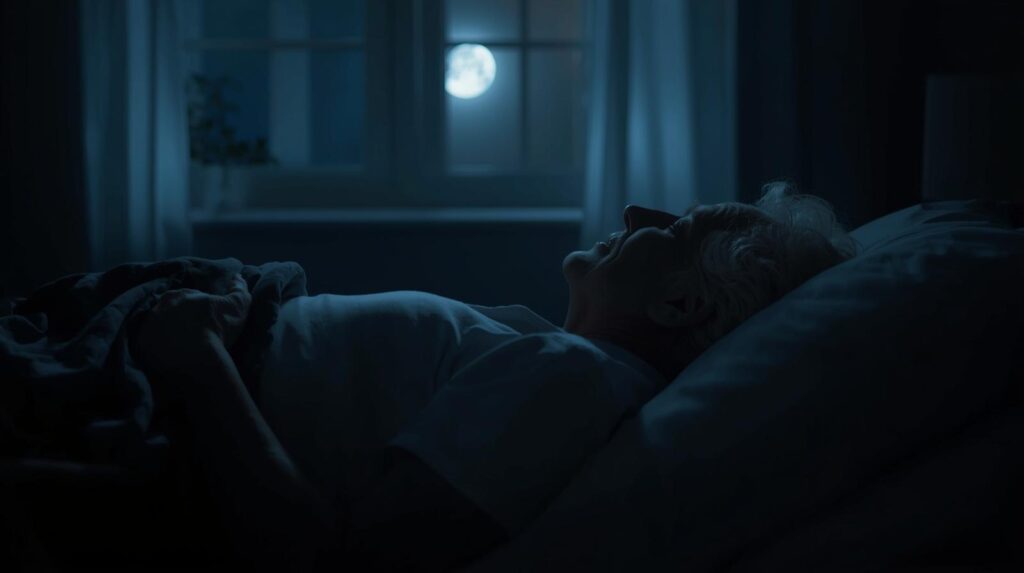
The sunlight fades and with it, often, your loved one’s sense of security and orientation. Nights bring their own challenges for seniors aging at home. Sleep patterns change, confusion increases, safety risks multiply, and the absence of daytime stimulation can make dark hours feel endless. Understanding nighttime needs and addressing them appropriately makes the difference between restless, anxious nights and peaceful, restorative ones.
How Sleep Changes with Age
Sleep itself changes as people age, creating challenges even for healthy seniors. Understanding these changes helps separate normal aging from problems requiring intervention.
Total sleep time often decreases slightly. Seniors typically need around seven to eight hours of sleep but may get less. More concerning than quantity is quality.
Sleep architecture shifts. Deep sleep stages decrease. Light sleep stages increase. This means easier waking from small disturbances. The cat moving, a car door outside, minor discomfort all can interrupt sleep that once would have continued undisturbed.
Sleep fragmentation increases. Instead of sleeping seven straight hours, seniors might sleep two hours, wake briefly, sleep three more hours, wake again, sleep two more hours. This fragmented pattern feels less restful even when total hours are adequate.
Early waking becomes common. Many seniors find themselves wide awake at 4 or 5 AM regardless of when they went to bed. The circadian rhythm shifts earlier with age.
Daytime napping affects nighttime sleep. While short naps can refresh, long or late-day naps reduce nighttime sleepiness.
Why Nights Feel Harder
Beyond normal sleep changes, several factors make nights particularly challenging for aging seniors.
Darkness increases confusion. People with cognitive decline often experience worse confusion at night. Without visual cues to orient them, they become more disoriented.
Sundowning affects many people with dementia. As afternoon transitions to evening, agitation and confusion increase. This pattern, called sundowning, can make evenings and nights particularly difficult.
Loneliness intensifies. Daytime distractions keep loneliness at bay. Night amplifies it. Seniors living alone can feel the solitude more acutely when darkness falls.
Fears magnify. Anxieties that daytime activities suppress emerge at night. Health worries, financial concerns, fears about the future all can prevent sleep or cause nighttime waking with anxiety.
Physical discomfort worsens. Pain, need to urinate, difficulty breathing, heartburn all seem worse at night when nothing distracts from them.
Safety risks increase. Falls are more likely at night. Someone getting up to use the bathroom in darkness, perhaps disoriented from sleep, faces higher injury risk.
Creating a Sleep-Friendly Environment
The bedroom environment significantly affects sleep quality. Small changes make big differences.
Comfortable mattress and bedding matter more as people age. Mattresses that are too soft make getting in and out of bed difficult. Too-firm mattresses create pressure points that cause pain. Finding the right balance helps.
Temperature affects sleep. Most people sleep better in cool rooms. Overheating causes restless sleep. But seniors often feel cold more easily, so individual preference matters.
Darkness helps most people sleep. Blackout curtains or sleep masks block disruptive light. However, complete darkness creates fall risks for nighttime bathroom trips. Small nightlights provide compromise.
Quiet supports sleep. Earplugs help some people. White noise machines mask disturbing sounds for others. Evaluate what works for your loved one.
Bed height matters. Getting in and out of bed safely requires appropriate height. Too high is difficult. Too low is nearly impossible. The goal is sitting on the edge with feet flat on the floor and knees at 90-degree angles.
Clutter-free pathways prevent falls. Clear routes from bed to bathroom, with nothing to trip over in dim light, are essential.
Addressing Nighttime Bathroom Needs
The need to urinate at night, called nocturia, affects most seniors. Managing this safely prevents falls and supports better sleep.
Limit fluids close to bedtime. Most fluid intake should happen earlier in the day. Stopping or limiting drinks two to three hours before bed reduces nighttime urination.
Evaluate medications. Some medications increase urination. Diuretics taken late in the day cause nighttime bathroom trips. Talk to doctors about whether timing can change.
Light the path. Nightlights in the bedroom, hallway, and bathroom allow safe navigation without fully waking or turning on bright overhead lights that make returning to sleep harder.
Consider bedside commodes. For seniors with significant mobility issues, having a commode right next to the bed is safer than navigating to the bathroom multiple times nightly.
Absorbent products provide backup. While not ideal, appropriate incontinence products prevent accidents and provide security that supports better sleep.
Evaluate for medical issues. Frequent nighttime urination sometimes indicates urinary tract infections, prostate problems, or diabetes. If the pattern changes, medical evaluation makes sense.
Managing Sundowning and Evening Confusion
For seniors with dementia, evenings present particular challenges. Strategies to manage sundowning help everyone get through nights more peacefully.
Maintain daytime activity. Physical and mental engagement during the day leads to better nighttime sleep. Boredom and inactivity during the day create restless nights.
Limit daytime napping. Short naps are fine, but long afternoon naps reduce nighttime sleepiness.
Create calm evenings. Avoid stimulating or upsetting activities in late afternoon and evening. No family conflicts, challenging tasks, or stressful topics close to bedtime.
Establish evening routines. Predictable, calming routines signal that bedtime approaches. This might include light dinner, gentle activity, quiet time, personal care, and bed.
Ensure adequate lighting in evening. Darkness increases confusion. Keep spaces well-lit until actually going to bed.
Validate feelings. If your loved one expresses agitation or confusion, acknowledge it rather than arguing. “You seem upset. I am here with you. Everything is okay.”
Distraction and redirection help. If agitation begins, sometimes gentle distraction with music, looking at photos, or light snack redirects attention.
When Seniors Live Alone at Night
Many seniors live alone, and nights present particular concerns. Several strategies increase safety and provide reassurance.
Emergency call systems provide connection. Personal emergency response systems allow calling for help if needed. Many now include automatic fall detection.
Regular check-in systems create accountability. Some families do bedtime and morning phone calls. Others use technology that alerts if expected patterns do not occur.
Medication management systems ensure evening medications are taken. Automatic dispensers or locked pill boxes that open at correct times prevent missed or extra doses.
Smart home technology monitors. Motion sensors, door sensors, or cameras allow family members to check on loved ones remotely. Some people find this invasive; others find it reassuring.
Neighbors can help. If neighbors are aware your loved one lives alone, they can watch for unusual patterns like lights staying on all night or mail piling up.
Clear plans for emergencies matter. Your loved one should know exactly what to do if problems arise at night. Written instructions posted visibly help.
The Role of Nighttime Caregivers
For some families, having a caregiver present overnight provides essential support and peace of mind.
Overnight caregivers provide safety supervision. They are present if your loved one gets up, becomes confused, or needs help.
They can assist with nighttime bathroom trips. Having help prevents falls during high-risk nighttime toileting.
They respond to needs. Pain, difficulty breathing, fear, or any other nighttime concern gets addressed immediately rather than waiting until morning.
They provide companionship. For anxious seniors, knowing someone is present reduces fear.
They allow family members to sleep. If you have been getting up multiple times nightly to help a parent, having professional nighttime care restores your own sleep.
Not everyone needs overnight care. But for situations involving high fall risk, significant confusion, or medical conditions requiring nighttime monitoring, overnight caregivers make home aging safer and more sustainable.
Sleep Medications: Benefits and Risks
Many seniors take sleep medications, prescribed or over-the-counter. These come with significant considerations.
Sleep medications do help some people fall asleep. For short-term use during particularly stressful periods, they can be appropriate.
However, risks are substantial for seniors. Many sleep medications increase fall risk because they affect balance and coordination. They can worsen confusion, especially in people with dementia. Some create dependency. Most stop working with long-term use.
Over-the-counter sleep aids often contain antihistamines that cause significant side effects in seniors, including confusion, dry mouth, constipation, and urinary retention.
Before starting sleep medications, address other factors. Is pain being managed? Is the sleep environment optimized? Are there underlying medical issues like sleep apnea? Is depression affecting sleep? Often addressing these factors works better than adding medications.
If sleep medications are necessary, doctors should prescribe the lowest effective dose for the shortest period possible.
Sleep Disorders Require Treatment
Some nighttime problems stem from actual sleep disorders needing medical attention.
Sleep apnea causes breathing pauses during sleep. This is common in seniors, often undiagnosed. It causes poor sleep quality, daytime fatigue, and serious health risks. Treatment, usually with a CPAP machine, dramatically improves sleep and health.
Restless leg syndrome creates uncomfortable sensations in legs that interfere with falling asleep. Treatment options exist.
REM sleep behavior disorder causes people to act out dreams physically, sometimes violently. This can injure the person or a bed partner and requires medical management.
If your loved one snores loudly, stops breathing during sleep, has persistent insomnia despite good sleep habits, or exhibits unusual behaviors during sleep, medical evaluation makes sense.
Morning After Rough Nights
Even with best efforts, some nights will be difficult. How the morning proceeds affects the entire next day.
Resist the temptation to let your loved one sleep all morning after a rough night. This disrupts circadian rhythm and makes the next night harder. Gentle waking at normal time helps maintain schedule.
Light exposure in the morning helps. Getting outside in natural light or at least opening curtains signals the body that daytime has arrived.
Activity during the day prevents excessive napping. Keep your loved one engaged even if they are tired. Short naps are fine; sleeping away the entire afternoon is not.
Review what happened. If nights are consistently difficult, something needs to change. Identify patterns and address underlying causes rather than just accepting bad sleep.
Technology to Help
Various technologies support safer, better nights for seniors aging at home.
Bed exit alarms alert when someone gets out of bed. These help caregivers or family members know when assistance might be needed.
Motion-sensor lights automatically illuminate when someone moves. These light pathways safely without requiring light switches.
Sleep tracking devices monitor sleep patterns. While not necessary for everyone, they can identify patterns useful for medical discussions.
Video monitors allow checking on loved ones without disturbing them. Two-way audio means you can talk without entering the room.
Smart medication dispensers ensure nighttime medications are taken correctly.
When Current Arrangements Are Not Working
If nighttime struggles continue despite your best efforts, reevaluate whether current living arrangements still work.
Overnight care might be needed. Professional caregivers present through the night provide safety and support.
Moving in with family might make sense. Having someone nearby at night reduces risks.
Assisted living provides overnight staffing. For situations where nighttime needs are constant and complex, facility care might be appropriate.
None of these options represents failure. They represent responding appropriately to changing needs.
Peaceful Nights Support Everything Else
Good nighttime support does more than just improve sleep. It prevents injuries from nighttime falls. It reduces anxiety that affects overall wellbeing. It preserves caregiver health when family members stop being awakened multiple times nightly. It maintains the sustainability of home aging.
Your loved one’s nights matter as much as their days. Addressing nighttime challenges with the same thought and care applied to daytime needs creates comprehensive support that allows aging in place successfully and safely. When nights go well, everything else improves. When nights are difficult, nothing else works quite right.
Creating peaceful, safe nights for seniors at home requires attention to sleep environment, safety, medical issues, and appropriate support systems. With thoughtful planning and proper resources, seniors can sleep soundly in their own homes throughout their aging journey.