
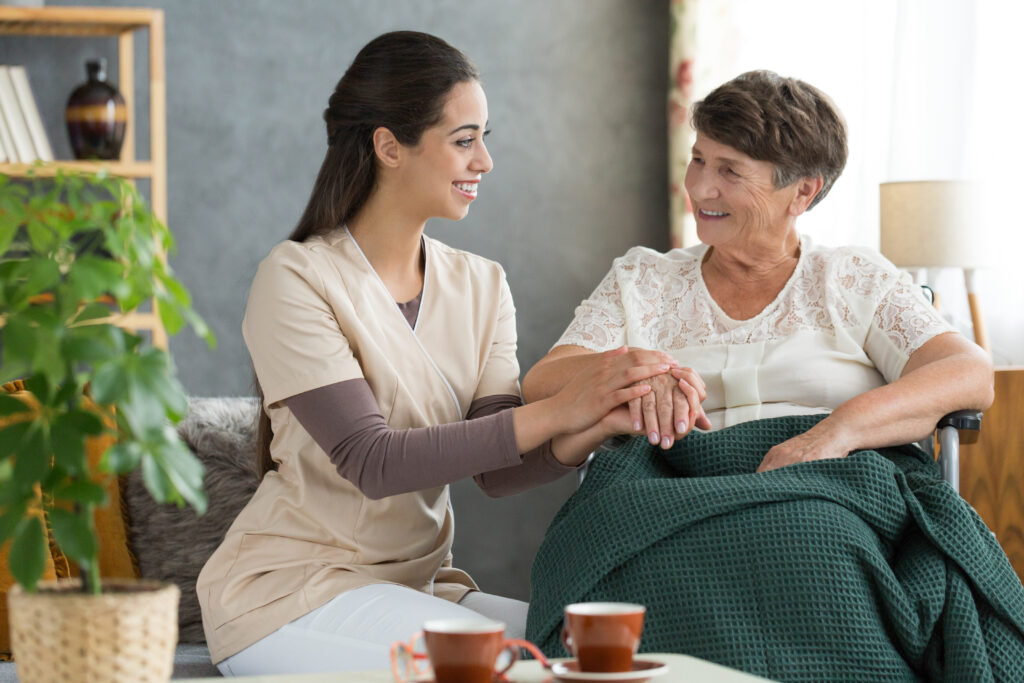
Companion care focuses on enhancing quality of life through social support and assistance with daily activities that do not require physical touch. Think of companion caregivers as supportive friends who happen to be professionally trained. They engage in meaningful conversations, share hobbies, and provide the social interaction that is crucial for mental and emotional well-being.
But companion care extends beyond conversation. These caregivers prepare nutritious meals, ensuring seniors eat regularly and well, something that often declines when dining alone becomes the norm. They handle grocery shopping, picking up prescriptions, and running errands that become challenging when driving is no longer safe. Light housekeeping keeps the home tidy and safe, while transportation to appointments, religious services, and social events maintains vital community connections.
Medication reminders are another crucial component. While companion caregivers do not administer medications, they ensure clients take prescriptions on schedule, reducing the risk of missed doses or dangerous doubling up. They also provide safety supervision, offering peace of mind for families worried about falls or emergencies when seniors are alone.
Personal Care: Hands-On Support with Dignity
Personal care encompasses everything companion care offers, plus hands-on assistance with activities of daily living. These intimate tasks require special training and a deep commitment to preserving dignity and respect. Personal care assistants help with bathing and grooming, ensuring safety in the shower while maintaining privacy and comfort. They assist with dressing, helping select weather-appropriate clothing and managing buttons, zippers, and shoes that may have become challenging.
Mobility support is often essential, whether that is steady assistance walking from bedroom to kitchen or help transferring from bed to chair. Personal caregivers are trained in proper techniques that ensure safety for both client and caregiver. They also provide respectful assistance with toileting and incontinence care, handling these sensitive needs with professionalism and compassion.
For some clients, feeding assistance becomes necessary. This might mean cutting food into manageable pieces, providing gentle reminders to eat, or offering physical support when weakness makes self-feeding difficult. Personal caregivers also monitor vital signs and assist with medical equipment, providing an extra layer of health observation that can catch problems early.
Choosing the Right Care Level for Your Family
The line between companion and personal care is not always clear-cut, and needs often evolve over time. Many families in Nashville and Birmingham start with companion care when a senior is mostly independent but struggling with isolation, transportation, or household tasks. As time passes and needs change, personal care services can be added seamlessly.
Consider your loved one’s current situation. Can they bathe and dress independently, or do they need physical assistance? Are they managing medications well, or would reminders suffice? Do they need help getting in and out of bed, or are they mobile but lonely? These questions help determine the appropriate level of care.
The advantage of working with B Home Care is that you do not have to get it perfect from the start. Our flexible approach means we can adjust services as needs change. There is no need to switch providers when care requirements increase. The same trusted caregivers who have been providing companion services can transition to personal care as needed, maintaining continuity and comfort during changes.
Remember, accepting help is not about giving up independence; it is about maintaining it safely and comfortably. Whether through companion care that brightens daily life or personal care that ensures safety and dignity, professional in-home support helps seniors continue living life on their own terms.