
Your father sits alone most days, the phone silent, the doorbell quiet. His address book fills with names of people who have moved away or died. The clubs he once attended feel too difficult to navigate now that he cannot drive. The church where he worshipped for decades is too far without transportation. Days blur into weeks with minimal human contact beyond brief exchanges with grocery store cashiers.
This isolation kills slowly but surely. Research confirms what common sense suggests: humans need connection. For seniors, social isolation and loneliness create health risks as significant as smoking or obesity. Yet our society often consigns older adults to isolation, assuming withdrawal is natural aging rather than recognizing it as preventable harm.
Why Isolation Happens
Understanding how seniors become isolated helps with prevention and intervention.
Driving retirement severs connections. When someone can no longer drive safely, activities requiring transportation often end. Church, clubs, social visits, shopping trips all become difficult or impossible. In areas without good public transportation or ride services, losing driving ability means losing mobility.
Outliving peers creates isolation. As people age, friends die or move to be near family or enter care facilities. The social circle that sustained someone for decades gradually disappears. Making new friends becomes harder.
Hearing loss isolates. When group conversations become difficult to follow, people stop attending social gatherings. The effort and embarrassment exceed the enjoyment. This is particularly true for men, who statistically resist hearing aids more than women.
Mobility limitations reduce participation. Seniors who cannot walk far or need walkers sometimes feel self-conscious in public. Activities requiring physical mobility become impossible, eliminating participation.
Spousal loss devastates social connections. Couples often socialize with other couples. When one partner dies, the survivor might feel they no longer fit. Activities the couple did together feel wrong alone.
Family distance means fewer visits. Adult children often live across the country. Regular visits are impossible. Phone calls help but do not replace physical presence.
Health conditions limit energy for socializing. Chronic pain, fatigue, or managing multiple health problems leaves little energy for social activities.
Technology challenges exclude. Much modern communication and social connection happens online. Seniors uncomfortable with technology miss these connections.
Health Consequences of Isolation
Isolation is not just loneliness. It creates measurable health problems.
Heart disease risk increases. Isolated seniors have higher rates of heart disease and poorer outcomes after heart problems.
Cognitive decline accelerates. Social engagement helps maintain cognitive function. Isolation speeds decline. Some research suggests social isolation increases dementia risk as much as 50 percent.
Depression and anxiety increase. Isolation creates or worsens mental health problems. Depression then reduces motivation to connect, creating vicious cycles.
Immune function weakens. Lonely people get sick more often and recover more slowly.
Mortality increases. Multiple studies show isolated seniors die younger than socially connected peers, even controlling for other health factors.
Physical decline happens faster. Without reasons to get up, get dressed, and move around, physical abilities atrophy quickly.
Poor health behaviors increase. Isolated seniors are more likely to skip medications, eat poorly, avoid medical care, and neglect self-care.
Types of Connection
Not all social connection is equal. Different types serve different purposes.
Family connections provide primary relationships and emotional security. These are usually the deepest and most important connections but cannot be the only ones.
Friendships offer companionship and shared interests. Friends chosen freely based on common interests provide different kinds of connection than obligatory family relationships.
Community groups create belonging. Church, clubs, volunteer organizations, or hobby groups provide regular activities and role within a community.
Casual acquaintances matter too. Regular chats with neighbors, baristas, or grocery store workers create sense of being known and recognized. These brief interactions accumulate into feeling connected to community.
Intergenerational connections benefit everyone. Interactions with younger people, especially children, provide energy, perspective, and purpose. Programs connecting seniors with children benefit both generations.
Service connections provide purpose. Helping others, whether volunteering or providing wisdom and experience, gives meaning beyond receiving care.
Maintaining Existing Connections
Before focusing on new connections, preserve existing ones.
Transportation solutions enable continued participation. Family members driving to activities, volunteer driving programs, senior transportation services, or ride-sharing all help. The cost and effort of providing transportation is worthwhile given isolation risks.
Technology helps maintain distant relationships. Video calls allow face-to-face connection with distant family. Email, texting, or social media help others. Teaching seniors to use these tools opens connection possibilities. Many seniors resist initially but enjoy them once comfortable.
Regular phone schedules maintain relationships. Establishing regular call times with friends or family creates reliable connection. These scheduled calls happen because they are on the calendar rather than depending on someone remembering.
Hearing aids enable continued participation. If hearing loss causes someone to withdraw, hearing aids might restore their ability to participate. The cost is worthwhile given isolation risks.
Mobility aids allow continued activity. Walkers, wheelchairs, or scooters enable leaving home. Pride sometimes prevents use, but preserving ability to participate matters more than pride.
Creating New Connections
When old connections are gone or insufficient, creating new ones takes intentional effort.
Senior centers offer multiple activities under one roof. Exercise classes, art activities, games, meals, and social events all provide opportunities. Transportation is often available. Many seniors resist initially, assuming senior centers are depressing, but most who try them find welcoming communities.
Religious communities provide both spiritual support and social connection. Even seniors who were not previously religious sometimes find meaning and community in faith communities during later life.
Classes and learning opportunities engage minds while creating connection. Community colleges, libraries, and senior centers offer classes on everything from technology to art to foreign languages. Learning new things while meeting others combines multiple benefits.
Volunteer work provides purpose and connection. Many organizations need volunteers. Opportunities exist matching various interests and abilities. Volunteering gives back while creating social connections.
Support groups connect people facing similar challenges. Caregiver support groups, grief groups, or groups for people managing specific health conditions all create communities of understanding.
Hobby groups connect people with shared interests. Book clubs, garden clubs, crafts groups, card playing groups all exist in most communities. Shared interests create easy conversation topics.
Exercise classes designed for seniors provide both physical activity and social connection. Classes create regular schedules and familiar faces.
Senior living communities with robust activity programs sometimes accept outside participants in programs. This provides access to diverse activities and community.
Overcoming Resistance
Many isolated seniors resist efforts to increase their social connection. Understanding and addressing resistance helps.
Depression makes everything, including socializing, feel pointless and exhausting. Treating underlying depression sometimes must happen before social engagement can increase.
Anxiety about new situations prevents trying. Social anxiety or general anxiety makes unfamiliar activities feel threatening. Starting small, attending with someone familiar, or visiting before participating all help.
Pride prevents asking for help with transportation or other barriers. Reframe help as reciprocity rather than charity. Everyone needs help sometimes.
Grief makes socializing feel wrong. After losing a spouse or close friend, some seniors feel they should not enjoy themselves. Permission to experience joy again helps.
Believing they are too old to make new friends stops people from trying. Yet friendships can develop at any age. Shared circumstances and interests create bonds.
Energy limitations are real. Acknowledging that shorter or less frequent activities still provide value helps. Something is better than nothing.
The Role of Caregivers in Facilitating Connection
Professional caregivers and family caregivers can actively support social connection rather than accidentally enabling isolation.
Caregivers provide transportation to activities. This simple support enables participation in church, clubs, or social events that seniors cannot reach independently.
Caregivers accompany seniors to activities. Having someone along reduces anxiety about new situations and provides stability and assistance if needed.
Caregivers encourage participation without being pushy. Gentle suggestions, information about opportunities, and recognition of social needs all help.
Caregivers can facilitate visits with family and friends. Setting up video calls, arranging visits, or simply ensuring the house is presentable when visitors come all support connection.
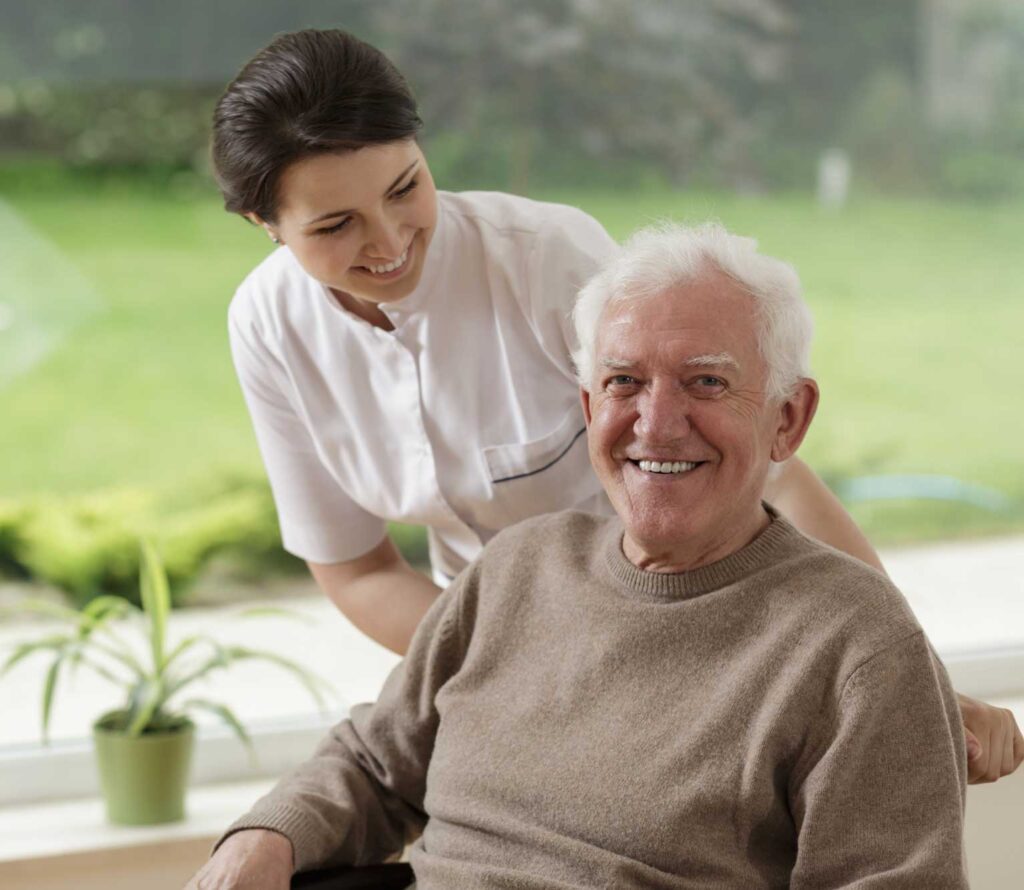
Caregivers themselves provide companionship. The caregiver-client relationship, while professional, still offers meaningful human connection. Good caregivers engage their clients in conversation, share stories, and create genuine relationship within appropriate boundaries.
Caregivers can connect seniors with community resources. They often know about activities, programs, and opportunities that families do not.
Technology as Connection Tool
While not replacements for in-person connection, technology expands possibilities, especially for seniors with mobility limitations.
Video calls feel more connecting than phone calls. Seeing faces and expressions adds dimension. Teaching seniors to use video chat applications opens regular connection with distant family.
Social media connects with broader communities. Many seniors initially resist but enjoy staying connected with grandchildren and extended family through platforms like Facebook.
Online interest groups exist for virtually everything. Reading groups, hobby forums, classes all happen online now. These provide community for people who cannot leave home easily.
Email provides easier communication for some than phone calls. The asynchronous nature means people communicate on their own schedules.
Technology must be accessible. Large screens, simple interfaces, patient teaching, and ongoing support all help seniors use technology successfully. Family members or caregivers setting up and maintaining technology enable continued use.
Addressing Specific Barriers
Some barriers to social connection require specific solutions.
Incontinence fear stops many seniors from leaving home. Proper incontinence management, including reliable products and knowing bathroom locations, reduces anxiety enough to allow participation.
Cognitive decline makes some activities impossible but not all. Activities with lower cognitive demands remain accessible. Music, simple games, or just sitting together all work.
Financial limitations prevent participation in costly activities. Many free or low-cost options exist. Senior centers, libraries, parks, and religious organizations all offer free activities.
Transportation beyond driving exists. Many communities offer senior transportation services. Volunteer driver programs help. Family or paid caregivers can provide transportation. Ride-sharing services in some areas accommodate seniors needing extra assistance.
Health problems do not necessarily prevent all socializing. Activities can be adapted. Even people with significant limitations can participate in some social activities with appropriate support.
Measuring Success
Social engagement success looks different for everyone. An extrovert needs different amounts and types of connection than an introvert.
The question is not whether your loved one has a crowded social calendar. It is whether they have adequate connection to prevent loneliness and isolation. Do they talk with someone most days? Do they have activities they look forward to? Do they have people who care about them and know if something goes wrong? If yes, they have adequate connection even if it does not look like constant busyness.
Watch for signs of inadequate connection: depression, talking about having nothing to live for, withdrawal from previously enjoyed activities, neglecting self-care, or expressing loneliness. These signal need for increased connection.
When Professional Help Supports Connection
For seniors with significant barriers to connection, professional support makes a difference.
Adult day programs provide full days of structured socialization and activity. These work particularly well for people with dementia or significant disabilities. Socialization happens without family having to arrange every activity.
Professional caregivers facilitate connection as part of their role. They provide transportation, attend activities with clients, and encourage participation.
Social workers connect seniors with community resources and help overcome barriers to participation.
Geriatric care managers can assess social needs and create plans for addressing them.
Mental health professionals treat depression and anxiety that prevent engagement.
Creating Community Around Home
For seniors unable to participate in community activities, bringing community to them works.
Neighbors who check in regularly create connection without requiring travel. Encouraging these relationships benefits everyone.
Mobile services from libraries, meals on wheels, and other programs bring both services and human contact.
Family creating regular visiting schedules ensures consistent connection. Even brief regular visits matter.
Pet companionship provides connection for some people. A dog or cat offers affection and purpose. Dogs also facilitate social connection with neighbors during walks.
The Difference Connection Makes
The difference between isolated and connected seniors is profound. Connected seniors have better health, slower cognitive decline, better mental health, and quite simply, more happiness. They have reasons to get up, get dressed, and engage with life. They experience meaning and purpose beyond just existing.
Isolation is not inevitable. With attention, creativity, and appropriate support, every senior can maintain meaningful connection. Sometimes that connection looks different than it did in younger years. The form matters less than the fact of genuine human connection that allows your loved one to feel known, valued, and part of something larger than themselves.
Social engagement and community connection are not luxuries or extras in senior care. They are fundamental to wellbeing, as essential as nutrition and medical care. Making them priorities allows seniors to not just survive at home, but to truly live there with meaning, joy, and connection.