
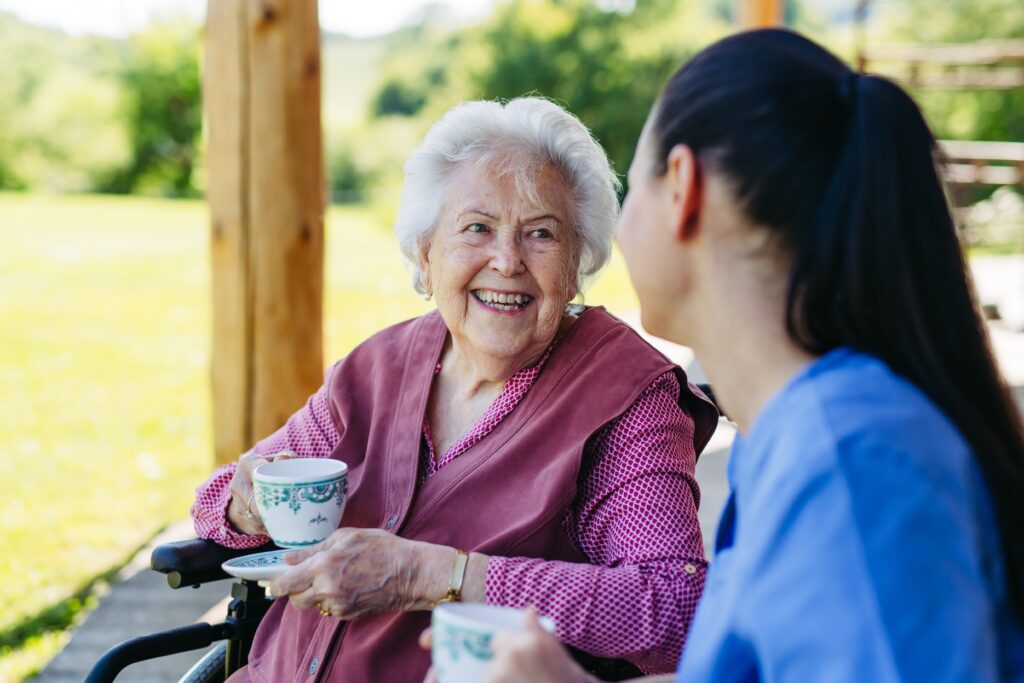
Your mother has drunk her morning coffee from the same blue mug for thirty years. Your father reads the newspaper in a specific order, starting with sports. Small rituals that might seem trivial to outsiders form the foundation of daily life. When those rituals get disrupted, especially for seniors, the impact ripples far beyond the surface details.
Understanding why these routines matter and how to preserve them transforms care from a series of tasks into genuine support for someone’s wellbeing. Whether family members provide care or professional caregivers step in, respecting established patterns makes the difference between help that feels intrusive and support that feels natural.
Why Routines Provide Security
Humans are creatures of habit at every age, but for seniors, routines serve particularly important purposes. Familiar patterns provide structure and predictability in lives where much has already changed. Friends have passed away or moved. Physical abilities have declined. Independence has shifted. Routines represent stability.
For seniors experiencing cognitive decline, routines become even more critical. When memory falters, established patterns help guide them through the day. Morning coffee at eight. Lunch at noon. The evening news at six. These anchors help orient someone who might otherwise feel lost.
Routines also preserve identity. How someone has always done things reflects who they are. Forcing different patterns suggests that who they have been does not matter anymore, that convenience for caregivers trumps their preferences. This message, even when unintended, damages dignity and sense of self.
Learning What Matters Most
When care begins, whether through family or professionals, taking time to understand routines pays enormous dividends. What time does your loved one usually wake up? How do they like their coffee? Do they prefer showers or baths? Morning or evening? What television programs are important to them?
These questions are not frivolous. They are essential information for providing care that feels supportive rather than disruptive.
Some preferences matter more than others. Missing a favorite television program might be disappointing but manageable. Being hurried through morning routines when someone needs time to wake up slowly creates anxiety that affects the entire day.
Ask your loved one directly about their preferences whenever possible. Even seniors with some cognitive decline can often express what matters to them. For those who cannot communicate clearly, family members usually know the important patterns.
Small Details Create Big Impacts
The blue coffee mug is not really about the mug. It is about familiarity and comfort. It is about maintaining connection to decades of mornings, to memories held in that particular cup. Honoring these small preferences shows respect and care.
Professional caregivers who pay attention to these details earn trust much faster than those who do not. When a caregiver remembers that Mr. Johnson takes his pills with orange juice, not water, and always wears his slippers to breakfast, it communicates that Mr. Johnson matters as an individual, not just as a client on a schedule.
Family caregivers sometimes overlook these details precisely because they seem too obvious. Of course Dad wants his coffee a certain way. But in the rush of managing care tasks, small preferences sometimes get dismissed as unimportant. They are not.
Balancing Routines with Necessary Care
Sometimes medical needs require adjusting routines. Someone who always ate breakfast at nine might need to eat earlier if morning medications require food. Someone who bathed in evenings might need to switch to mornings for safety reasons.
Making necessary changes works better when you can preserve other elements of routine. Maybe breakfast happens earlier, but it still includes the same foods prepared the same way. Maybe bathing happens in the morning now, but the same products and techniques are used.
Explain changes clearly. Help your loved one understand why an adjustment is needed. Involve them in problem-solving when possible. Can we keep this part of your routine while changing that part? What would make this necessary change easier for you?
Respecting Personal Preferences in Care
How care gets provided matters as much as what care is provided. Some seniors prefer getting dressed before having breakfast. Others want to eat first while still in nightclothes. Neither approach is wrong. What matters is honoring your loved one’s preference.
Privacy expectations vary too. Some people are comfortable with casual modesty during personal care. Others need more privacy. Understanding and respecting these preferences protects dignity.
Even the order of tasks can matter. One person might prefer to wash their face before brushing teeth. Another does it the opposite way. These patterns are ingrained over decades. Changing them feels disorienting and wrong.
Social Patterns and Engagement
Beyond physical routines, social patterns matter too. Your loved one might have called a friend every Sunday afternoon for twenty years. They might watch certain shows because they like discussing them with neighbors. They might have attended the same church service every week for decades.
Good care helps maintain these social connections rather than inadvertently severing them. Transportation to church continues. Time is protected for phone calls with friends. Caregivers engage in conversation about shows or topics your loved one enjoys.
Isolation damages wellbeing severely. Sometimes seniors withdraw not because they want to but because their routines got disrupted and social connections unraveled. Intentionally preserving these patterns prevents unnecessary loneliness.
Meal Preferences and Food Traditions
Food carries enormous meaning. Cultural traditions, family recipes, and personal preferences all factor into what and how someone likes to eat. Dismissing these preferences in favor of generic “healthy meals” misses the point entirely.
Yes, nutrition matters. But so does enjoyment and connection to lifelong eating patterns. If your loved one has eaten grits for breakfast for eighty years, serving them oatmeal because it is “healthier” likely means they will not eat breakfast at all.
Find ways to honor preferences while addressing nutritional needs. Maybe those grits can include some extra protein. Maybe favorite foods get prepared in slightly healthier ways. Work with your loved one’s tastes, not against them.
Eating alone feels different than eating with someone. Many seniors eat less when they are by themselves. Caregivers who sit and chat during meals, making them social rather than just functional, often see improved nutrition simply because eating becomes more pleasant.
Maintaining Independence in Routines
Even when help becomes necessary, preserving elements of independence matters. If someone can still make their own breakfast, even if they need help with other meals, let them maintain that skill and autonomy.
Maybe they cannot safely shower alone anymore, but they can still wash their own face and brush their teeth. These small acts of self-care preserve dignity and sense of capability.
Good caregivers find the balance between providing needed assistance and allowing independence where possible. They resist the temptation to do everything just because it is faster or easier. Speed and efficiency serve caregivers. Preserving independence serves the person receiving care.
Adapting Routines as Needs Change
Abilities change over time. Routines that worked six months ago might not work now. Flexibility becomes necessary even while maintaining core patterns.
This adaptation works best as a collaboration. What parts of your routine are most important to keep? What adjustments would you be willing to try? Together, families and caregivers can find new patterns that honor old preferences while accommodating new limitations.
Sometimes technology helps. A senior who can no longer physically attend church might participate through online services. Someone who loved gardening but cannot manage a full garden anymore might enjoy caring for container plants or even just a windowsill herb garden.
The goal is not preserving every detail unchanged. It is maintaining the essence of what matters while adapting to reality.
Communication Creates Understanding
None of this works without communication. Caregivers need to know what matters. Seniors need to feel heard. Family members need to share information.
If professional caregivers are involved, detailed information about routines and preferences helps them provide better care from the beginning. Do not assume things are obvious. What seems clear to you might not be apparent to someone meeting your loved one for the first time.
Ongoing communication matters too. If something is not working, speak up. If your loved one seems unhappy with some aspect of their care routine, investigate. Small adjustments often make big differences.
The Difference in Quality of Life
When routines and preferences are honored, seniors typically eat better, sleep better, and cooperate more willingly with care. They are happier and more engaged. The care relationship feels more like partnership and less like imposition.
Compare two scenarios. In one, a caregiver arrives and efficiently completes all tasks according to their schedule, disregarding the senior’s usual patterns. Tasks get done, but the senior feels rushed, dismissed, and resentful.
In another scenario, the caregiver adapts to the senior’s routines, asks about preferences, and honors established patterns wherever possible. The same tasks get completed, but the senior feels respected and supported.
Both accomplish the physical requirements of care. Only one supports emotional wellbeing and preserves dignity.
Making It Work in Practice
For families providing care, this means slowing down enough to do things the way your loved one prefers, even when your way might be faster. It means remembering that this is their life and their home, not a care facility operating on institutional schedules.
For professional caregivers, it means viewing each client as an individual with unique history, preferences, and needs. It means asking questions and truly listening to answers. It means adjusting your approach to fit their life rather than forcing them to fit your routine.
For everyone involved, it means recognizing that the small rituals of daily life matter deeply. The specific coffee mug, the order of morning tasks, the preferred television programs, the way someone likes their pillow arranged. These details are not trivial. They are the texture of a lived life, and honoring them shows respect for the person behind the care needs.
Good care makes life easier and safer. Excellent care does that while helping someone feel they are still living their life, not having their life managed by others. The difference lies largely in attention to routines and respect for preferences. It is not always easy, but it is always worth the effort.