
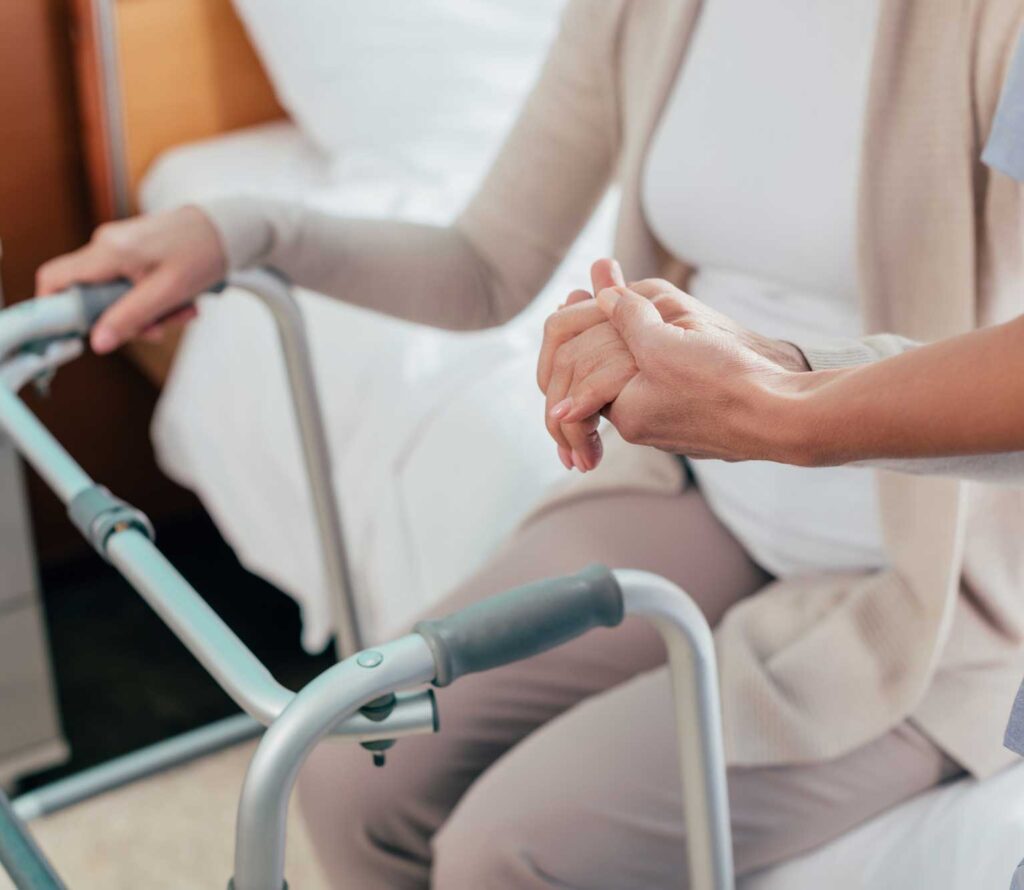
Falls represent one of the biggest threats to senior independence. A single fall can change everything, turning an active lifestyle into weeks or months of recovery, or worse. Yet many falls are preventable through simple modifications and mindful practices.
Understanding fall risks and taking action does not mean accepting defeat or surrendering independence. It means being smart about creating an environment where your loved one can move confidently and safely through their own home.
Why Falls Happen More as We Age
Bodies change with age in ways that increase fall risk. Balance becomes less reliable. Muscles lose some strength. Vision changes. Medications can cause dizziness. Reflexes slow down, making it harder to catch yourself when you stumble.
Medical conditions add to the risk. Arthritis, Parkinson disease, diabetes, and heart conditions all affect stability. Even something as common as low blood pressure can cause lightheadedness when standing up quickly.
Acknowledging these realities is not pessimistic. It is practical. Once you understand why falls happen, you can take specific steps to prevent them.
Starting with a Home Safety Walk
Walk through your loved one’s home as if you are seeing it for the first time. Better yet, walk through it imagining you are navigating with less steady balance and dimmer vision. What would make you nervous?
Look at every room your loved one uses regularly. The bedroom, bathroom, kitchen, and main living areas deserve the most attention since that is where they spend most of their time. Do not forget hallways, stairways, and entryways.
Common hazards reveal themselves quickly during this assessment. Loose rugs that slide underfoot. Extension cords crossing walkways. Clutter on floors. Poor lighting in hallways. Slippery bathroom surfaces. Furniture placed in awkward positions that require tight maneuvering.
Make a list of concerns. Some fixes are immediate and inexpensive. Others might require more planning. The important thing is identifying risks before they cause a fall.
Lighting Makes a Dramatic Difference
Older eyes need more light to see clearly. What seems adequately lit to you might appear dim to your loved one. Poor lighting makes it difficult to spot hazards like steps, curbs, or objects on the floor.
Increase wattage in existing light fixtures where possible. Add lamps in darker corners. Install nightlights in bathrooms, bedrooms, and hallways so your loved one can navigate safely during nighttime bathroom trips.
Consider motion-sensor lights for key areas. These turn on automatically when someone enters the room, eliminating the need to fumble for switches in the dark. They are particularly useful in bathrooms and closets.
Light switches should be accessible at room entrances. If your loved one has to walk through darkness to reach a switch, that is a fall waiting to happen. Sometimes adding a second switch or using lamps with easier-to-reach controls solves this problem.
Bathroom Safety Requires Special Attention
More falls happen in bathrooms than any other room in the house. Wet surfaces become slippery. Getting in and out of tubs or showers requires balance. Even using the toilet involves multiple transitions from standing to sitting and back to standing.
Grab bars provide crucial support. Install them near the toilet and inside the shower or tub. These are not just for people who are unsteady. Anyone can benefit from having something secure to hold while moving on wet surfaces.
Make sure grab bars are properly installed into wall studs, not just drywall. They need to support significant weight without pulling loose. This is not a do-it-yourself project unless you have experience. Improperly installed grab bars create a false sense of security that is more dangerous than having none at all.
Non-slip mats in the shower or tub prevent slipping on wet surfaces. A shower chair lets your loved one sit while bathing rather than balancing on one foot to wash. A handheld showerhead makes bathing while seated much easier.
Raised toilet seats reduce the distance someone needs to lower themselves, making it easier to sit down and stand up safely. This simple modification reduces strain and improves stability during bathroom use.
Clearing Clutter and Creating Clear Paths
Clutter creates obstacles. Magazines stacked on the floor, shoes left in walkways, or shopping bags waiting to be unpacked all become tripping hazards. Keeping floors clear makes a significant difference.
This can be harder than it sounds. Many seniors have lived in their homes for decades and accumulated belongings. Suggesting they clear clutter sometimes feels like criticism of their housekeeping. Approach it as a safety concern, not a judgment.
Focus on main pathways first. The route from bedroom to bathroom needs to be completely clear. So does the path from the front door to the living area. These high-traffic zones matter most.
Furniture arrangement matters too. Is there enough space to walk comfortably between pieces? Can your loved one navigate their home using a walker or cane without having to maneuver around tight corners? Sometimes simply moving a chair or side table creates significantly better flow.
Stairways Need Extra Care
Stairs pose obvious risks. If your loved one’s home has stairs, several modifications help reduce danger.
Both sides of the stairway should have sturdy handrails. Some homes only have one rail, usually on the right side going up. Adding a second rail on the other side provides support in both directions and gives your loved one something to hold with either hand.
Make sure the first and last steps are clearly visible. Sometimes painting the edge of each step in a contrasting color helps depth perception, making it easier to see where one step ends and another begins.
Good lighting on stairways is critical. Switches at both the top and bottom of the stairs allow your loved one to light the way before starting up or down.
If stairs become too challenging, consider whether your loved one might relocate their main living areas to a single floor. Moving a bedroom downstairs might seem like giving up, but if it prevents a serious fall, it is a smart adaptation.
Footwear Matters More Than You Would Think
What someone wears on their feet significantly affects fall risk. Loose slippers that do not stay on properly are notorious culprits. So are socks on hardwood or tile floors, which provide almost no traction.
Your loved one needs supportive shoes with non-slip soles, even inside the house. The shoes should fit properly, with backs that stay on the heel and soles that provide good traction. Some people resist wearing “real shoes” at home, but the safety benefits are substantial.
If your loved one insists on slippers, find ones with closed backs and rubber soles. They should fit snugly enough that they will not slide off while walking.
Assistive Devices Provide Support
Canes and walkers are not signs of weakness. They are tools that provide stability and confidence. If your loved one’s doctor recommends an assistive device, encourage its use.
Make sure any device is properly fitted. A cane that is too tall or too short does not provide appropriate support. A walker with worn-out tips or faulty brakes creates new hazards instead of preventing them.
Using these devices correctly matters too. If your loved one has a walker but is not using it consistently, or is using it incorrectly, consider getting a physical therapist to provide proper instruction. Sometimes people resist assistive devices because they never learned the most effective techniques.
Addressing Medical Contributors
Some fall risks come from medical issues that need professional attention. Annual vision and hearing checks help identify problems that affect balance and spatial awareness. Both senses play important roles in stability.
Medication reviews with a doctor or pharmacist can identify drugs that cause dizziness or affect balance. Sometimes timing adjustments, dose changes, or alternative medications can reduce these side effects without sacrificing treatment effectiveness.
Blood pressure that drops when standing quickly can cause dizziness and falls. If your loved one reports feeling lightheaded when they first stand up, mention it to their doctor. This often can be managed.
Building Strength and Balance
Physical activity helps prevent falls by maintaining muscle strength and improving balance. Even gentle exercise makes a difference.
Many senior centers and community programs in the Nashville area offer classes designed specifically for older adults. Tai chi, yoga, and balance training all help. Walking regularly, even just around the neighborhood or through the house, helps maintain strength.
If your loved one is nervous about falling during exercise, a physical therapist can design a safe program tailored to their abilities. Starting with seated exercises or holding onto stable support can build confidence while improving strength.
When Someone Falls
Despite best efforts, falls sometimes happen. Knowing how to respond makes a critical difference.
First, do not rush to help your loved one up. Make sure they are not seriously injured. Ask if they have pain anywhere specific. Look for obvious injuries. If there is any chance of a fracture or if they hit their head, call for emergency help rather than moving them.
If they are not seriously hurt, help them get up slowly. Let them rest sitting on the floor for a moment before trying to stand. Use a sturdy chair as support if needed.
After any fall, call the doctor. Even falls that do not cause obvious injury need to be reported. They might indicate a change in condition that needs attention.
Creating Long-Term Safety
Fall prevention is not a one-time project. It is an ongoing awareness. Your loved one’s abilities might change over time. What worked six months ago might not work now. Regular reassessment helps catch new risks before they cause problems.
Having someone present who knows what to watch for makes a huge difference. A caregiver who visits regularly can spot changes in steadiness or new obstacles that have appeared. They can help with safer ways to accomplish tasks and encourage use of assistive devices.
The goal is keeping your loved one mobile, active, and independent for as long as possible. Fall prevention does not restrict life. It protects the ability to live fully and confidently at home, in familiar surroundings, without the fear that shadows every step.